Research Article - Der Pharma Chemica ( 2025) Volume 17, Issue 3
A Review on the Medicinal Significance of Nitrogen-Containing Heterocycles: From Natural Products to FDA-Approved Drugs
Mahesh Parit*, Shrisail bellad, Shreekant Biradar, Smeta P, Suchitra T and Adarsh AMahesh Parit, Department of Pharmaceutical Chemistry, Shri Sharanabasaveshwar College of Pharmacy, Vijayapur, India, Email: paritmahesh8888@gmail.com
Received: 08-Feb-2025, Manuscript No. DPC-25-168512; Editor assigned: 13-Feb-2025, Pre QC No. DPC-25-168512 (PQ); Reviewed: 27-Feb-2025, QC No. DPC-25-168512; Revised: 01-Oct-2025, Manuscript No. DPC-25-168512 (R); Published: 28-Oct-2025, DOI: 10.4172/0975-413X.17.3.706-710
Abstract
Heterocyclic chemistry, particularly involving N-heterocycles, is a cornerstone of modern organic chemistry due to its wide-ranging applications in medicine, agriculture and industry. N-heterocycles are crucial components of numerous biologically vital substances and are prominent scaffolds in US-FDA-approved drugs and energetic materials, underscoring their significant role in enhancing human life quality. This review highlights the importance of N-heterocycles, showcasing their presence in natural compounds like purines, pyrimidines, amino acids and alkaloids and their historical use as medicines such as antibiotics and antimalarials. A key aspect of N-heterocycles in drug discovery is their ability to act as bioisosteres, enabling structural modifications that improve efficacy, selectivity and pharmacokinetic properties of lead compounds. Examples such as the bioisosteric replacement of amide functionalities with triazoles in HIV-1 inhibitors and the use of 1,2,4-triazole in alprazolam to reduce toxicity demonstrate this utility. Furthermore, analysis of FDA-approved drugs reveals that nitrogen-containing heterocycles are the most prevalent, with piperidine, pyridine and piperazine being the most frequently observed ring systems. Their continued relevance is evident in their inclusion in medications under clinical trials for COVID-19, such as hydroxychloroquine and remdesivir. This comprehensive overview emphasizes the indispensable nature of N-heterocycles in the development of pharmaceuticals and their ongoing impact on human health.
Keywords
N-heterocycles, Heterocyclic chemistry, Drug discovery, Bioisosterism, Pharmaceuticals, FDA-approved drugs, Medicinal chemistry
Introduction
The most creative and widely used area of organic chemistry is heterocyclic chemistry. Given the fields of industry, agriculture, medicine and many more, heterocyclic chemistry plays an essential part in the progress of our society. Likewise, it gives biologists a chance to comprehend the chemistry of biological processes, which enhances human life quality. It is a rapidly developing field of research that has long held the top spot due to its superior theoretical and practical significance. Heterocycles are the common scaffolds that are widely used as the main function component of innumerable energetic materials.
And efficient US-FDA-approved drugs. Heterocyclic pharmacophores typically traverse the boundary between biology and chemistry, whereby many kinds of therapeutic insights, drug discoveries and applications are continuously occurring. Most notably, heterocycles are also standard pharmacological agents that mimic a number of natural compounds with pharmacological potential. Because of this, medicinal chemists have been working tirelessly on finding out how the heterocycles specifically work in alleviating different illnesses. Therefore, researchers' primary focus has always been on finding better pharmaceuticals for drug discovery activities. The N-heterocycles in particular have remained in their position as the most diverse and growing family of heterocyclic drugs during the past few decades [1].
Materials and Methods
In addition, this class has an unusual role as an endless supply for the pharmaceutical industry because it serves as the foundation for numerous established, approved by the food and innovative therapies. The only valuable class of chemical entities that exhibit superior medication competency over non-nitrogen heterocycles are N-heterocyclic medicines. Since N-heterocycles are vital parts of numerous biologically vital substances in life, their significance in medicinal chemistry is obvious (Figures 1-4).
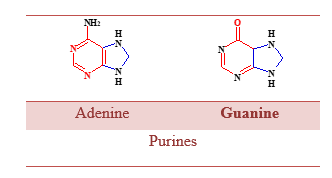
Figure 1: Example of some of the picked naturally occurring purines that include nitrogen.
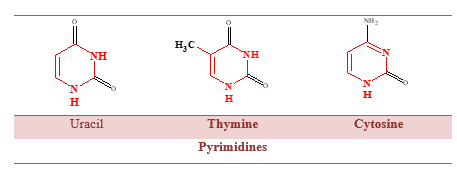
Figure 2: Example of some of the picked naturally occurring Pyrimidines that include nitrogen.
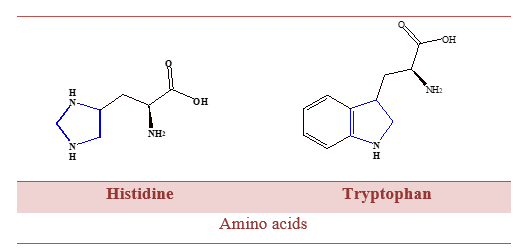
Figure 3: Example of some of the picked naturally occurring amino acids that include nitrogen.
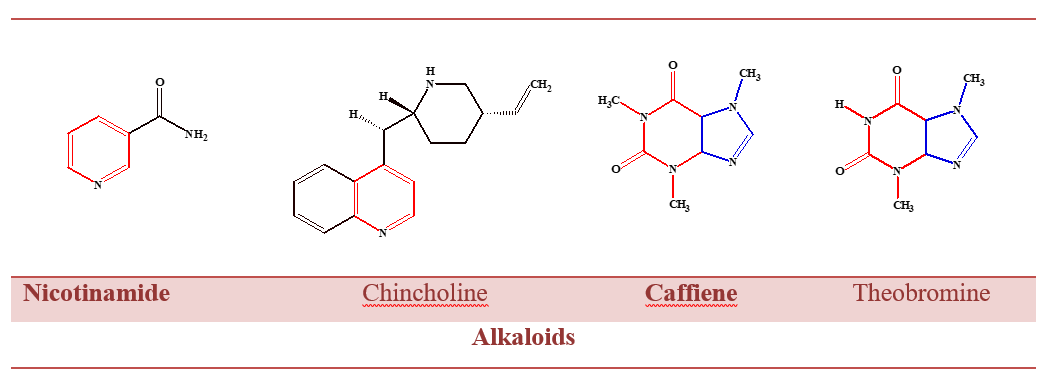
Figure 4: Example of some of the picked naturally occurring alkaloids that include nitrogen.
Nucleic acids (purines: adenine, guanine; pyrimidines: uracil, thymine, cytosine), essential amino acids (tryptophan, histidine) and alkaloids (nicotinamide, cinchonine, caffeine, theobromine) are most well-represented among them. Tea leaves and coffee beans can be used to extract purine-based nitrogen heterocyclic alkaloids called caffeine and theobromine, respectively. Caffeine usually acts as a Central Nervous System (CNS) psychostimulant and analgesic. Caffeine and theobromine are the substances most frequently consumed as snacks. Furthermore, theobromine has vasodilator effects as well. N-heterocycles' outstanding capacity to coordinate with metal ions serves as the logical foundation for their independent structural component of hemoglobin (an oxygen transporter) and chlorophyll (a pigment responsible for photosynthesis). More intriguingly, even before their precise molecular structure was discovered, multiple nitrogen heterocycles were being effectively used as medicines. The best-known instances of this group are antibiotics (β-lactam based penicillin), analgesics (morphine and codeine) and antimalarials (quinine). One of the primary problems facing chemical biologists in a drug research project is identifying the lead compound with the most promise to treat the disease of interest. The hit molecule that creates the basic structural specimen for the hit-to-lead (H2L) selection process and, in most cases, the initial lead, may, still, have one or more flaws that are required for its clinical advancements. Among these flaws include the absence of the necessary level of efficacy, selectivity and relevant Pharmacokinetic (PK) and Pharmacodynamic (PD) qualities [1-4].
Results and Discussion
The concept of bioisosterism is frequently employed as an essential and qualitative approach to add the needed structural change to an optimized lead compound. These modifications to structure typically affect the size, shape, electrical distribution, polarizability, dipole moment, pKa and lipophilicity of molecules. By enhancing oral absorption, selectivity and potency against the intended biological target with altered physical, toxicological and metabolic qualities, this strategy enables the discovery of a safer and more effective therapeutic drug. Due to this perspective, nitrogen heterocycles frequently serve as bioisosteres for functional groups in amides. which are essential structures found in proteins, peptides, amino acids, clinically approved drugs and an array of natural substances.
This is related to the nitrogen atom's high electronegativity, which provided a basis for many kinds of polar interactions with biological targets. The pharmacological response of the resulting compound can be dramatically enhanced by substituting the simple carbocyclic ring with a nitrogen heterocyclic ring (bioisosteric replacement), that may significantly alter the strength of intra or intermolecular interactions and also molecular and physiochemical properties. In particular, the successful interaction with target receptors and enzymes is because of N-heterocycles' hydrogen bond donor and acceptor ability. This feature so significantly enhances the binding affinity and in vitro potency. Triazole, an important component of five-membered N-heterocycles, has the ability to reclaim the curative properties of compounds made of peptide bonds. As a heterocyclic bioisosteric part, triazoles, which are generally very good at simulating the trans configuration of bonds of peptides. Rana and her peers evaluated the potential medicinal products with amide functionality against H9 (non-permissive cells) in vivo and discovered (Figures 5 and 6) [5,6].
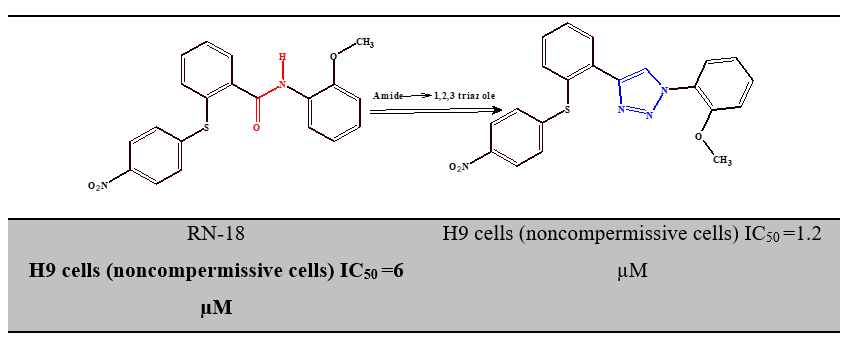
Figure 5: 1,2,3-triazole scaffolds are utilized to bioisosterically replace the amide functionality.
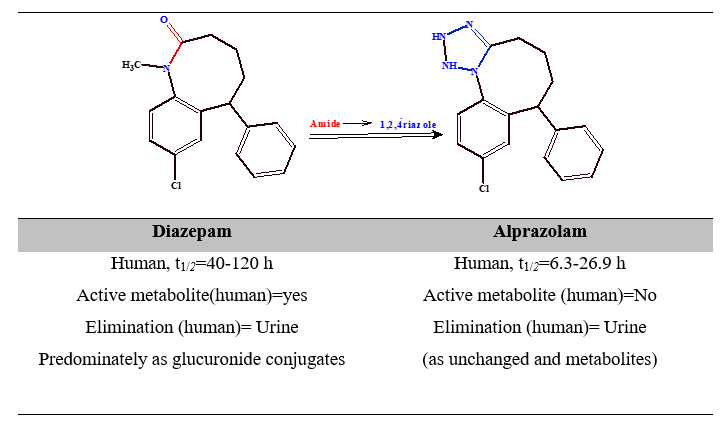
Figure 6: 1,2,4-triazole scaffolds are utilized to bioisosterically replace the amide functionality.
As the most optimized substance, RN-18 specifically suppresses HIV-1 replication and is a strong antagonist for viral infectivity factor (vif) movement. The virus's ability to divide is effectively inhibited by an IC50 value of 6 μM. However, in permissive and MT4 cells, this RN-18 fails to prevent viral infectivity. Moreover, problems such as inadequate potency and poor metabolic stability impeded its efficacy as a therapy. By bioisosterically substituting 1,4-disubstituted 1,2,3-triazole for the amide functionality, this shortcoming has been overcome. As a result, the change increased its effectiveness against the H9 cells by lower the IC50 value to 1.2 μM. The Hester and her fellow workers successfully showed that the venomousness triggered by diazepam decreases substantially when the amide functionality in diazepam is bioisosterically replaced with 1,2,4- triazole, as in alprazolam [7].
Figure 6 provides some more well-represented situations that show the quantitative effect on bioisosteric replacement. Relative to their Nsubstituted indole analogue, N-substituted azaindoles showed higher intrinsic metabolic stability, enhanced biochemical effectiveness (300-fold) and selectivity in regulating the Cdc7 kinase, a crucial target for cancer treatment (Figure 7).
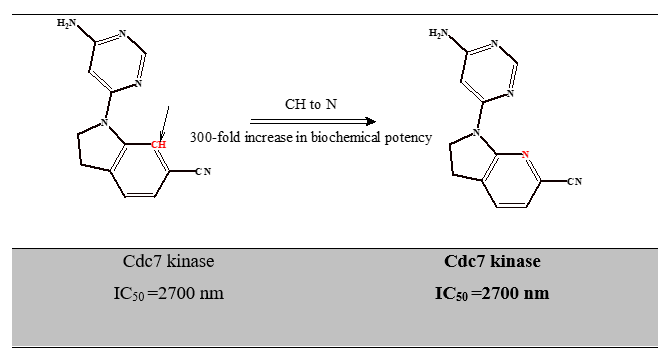
Figure 7: N scaffolds are utilized to bioisosterically replace the CH functionality.
In the following example, a SAR study using the [3H] granisetron displacement assay indicates that when isoquinoline (5-HT3AR pKi=6.7) was bioisosterically (CH→N) replaced with its quinazoline (5-HT3AR pKi=10) analogue, a 4300-fold increase in binding affinity was observed at the site of a 5-HT3A receptor ligand. The majority of fragments identified among the top 200 drugs sold at retail in 2019 were heterocycles containing nitrogen. Powerful anticoagulant (apixaban & rivaroxaban), anti-myeloma (lenalidomide) and anticancer (ibrutinib and palbociclib) medications are approved for them. Additionally, a recent review of 328 distinct small molecule based medicines that have received approval from the FDA (till the end of September 2018) made it readily apparent that nitrogen heterocycles are the most prevalent, making up 58% of the total (190 medications), followed by oxygen heterocycles (19%, 62 drugs). A comprehensive review of US-FDA-approved and investigational pharmaceuticals revealed that over 75% of small molecule drugs contain nitrogen heterocycles. A review article from 2014 says (Figure 8) [8].
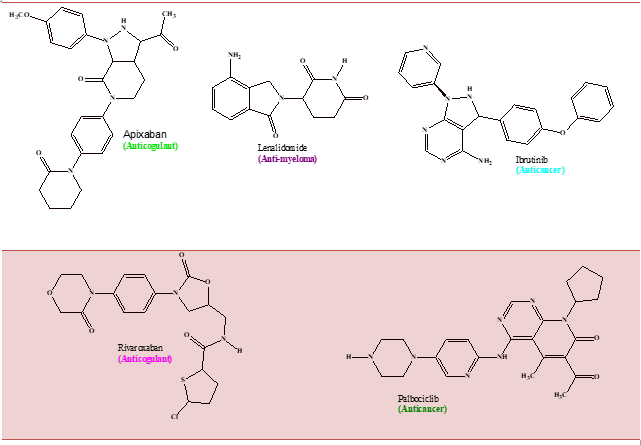
Figure 8: The top five N-heterocycles in the top 200 drugs by retail sales in 2019.
Approximately 874 (84%) and 640 (59%) of the 1086 unique small molecules based on US-FDA (Food and Drug Administration)-permitted pharmaceuticals, respectively, enjoyed at least one nitrogen atom and one nitrogen heterocyclic ring in their structure, based to a database analysis of these medications. When compared to heterocycles with oxygen and sulfur, which make up up to 27% of 311, this number is fairly substantial. It's interesting to note that the most frequently utilized nitrogen heterocyclic ring systems are piperidine, pyridine and piperazine, which round out the top three and account for 72, 62 and 59 US-FDA-approved drugs, respectively. The remaining 7 are cephem, pyrrolidine, thiazole, imidazole, penam, indole and triazole. Only one medicine (4%) has three nitrogen atoms (such as 1,2,4-triazole), two (7%) has four nitrogen atoms (like tetrazole & purine) and 15 (56%) has a single nitrogen atom out of the top 27 nitrogen-based heterocyclic ring groups. In addition, of these 25, fifteen are made up of a single heterocyclic ring, while the remaining ones are fused heterocycles. Six and five membered heterocycles make up seven and eight of these fifteen single nitrogen ring-based heterocyclic rings, respectively. In addition, of the top 27 nitrogen heterocycles, only 41% are aromatic, with the other heterocycles being classified as non-aromatic. Abundantly evident that the most common nitrogen heterocycles are six-membered (59%) followed by five-membered (39%) and fused (14%). It is impossible to overlook the uses of Nheterocycles in agricultural chemistry because their derivatives are widely and successfully used as herbicides and pesticides. The significance of nitrogen heterocycles is further demonstrated by the fact that they are present in a number of medications undergoing clinical trials to address the ongoing COVID-19 pandemic (Figure 1.8). In this case, the FDA approved hydroxychloroquine, a malaria vaccine made of quinoline as a nitrogen heterocycle. Recently, this vaccination was found to have some efficaciousness in treating COVID-19 (Figure 9) [9].
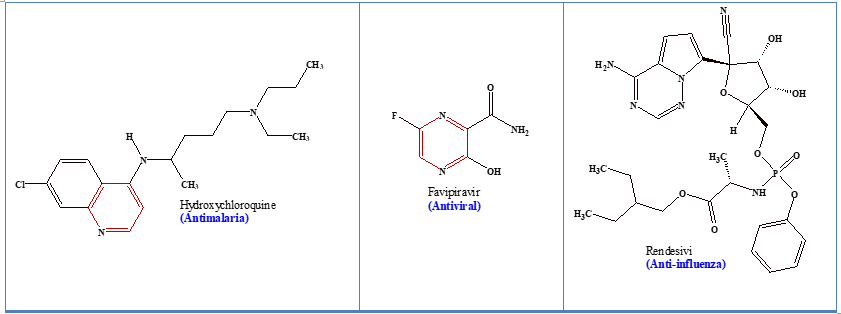
Figure 9: A typical group of nitrogen heterocycles during studies for COVID-19.
It usually alters the pH of the cell membrane, particularly at the surface, that prevents the virus from sticking to the membrane. Furthermore, favipiravir, a pyrazine-based nitrogen heterocycle that was first licensed as an antiviral medication, additionally demonstrates promise in treating mild to moderate COVID-19 symptoms. Additionally, another N-heterocycle, remdesivir (GS-5734), has been authorized for the emergency treatment of COVID-19 patients who are RdRp inhibition.
Comparable to before, the high number of nitrogen heterocycles as a major active nucleus in large U.S.-FDA-approved treatments in 2020 offers organic chemists greater confidence and lays foundations for future developments in the field of N-heterocycles. According to a brief survey, roughly more than 21 (72% of the total) of the 29 medicines that the US FDA approved during January 2020 and July 2020 had nitrogen hetero cycles. surprisingly, practically every one of them has several nitrogen heterocycles in its structure. The chemical makeup of representative medications' active components as well as their various therapeutic applications [10].
Conclusion
Therefore, it is highly recommended or necessary of organic and medical chemists that the synthesis of some novel nitrogen heterocycles is always a potential strategy, provided the high prevalence and consistent use of five- and six-membered nitrogen containing heterocycles or their fused counterparts in the pharmaceutical and medicinal sectors. Due to this, the creation of new methods and deliberate substitution of existing protocols for the synthesis of novel N-heterocyclic groups continue to be rapidly expanding and active fields of organic research. Furthermore, developing efficient factors or designing a distinctive response precursor are both commonly used methods to improve synthetic techniques in this area. The significance of nitrogen-based heterocycles in medicinal chemistry has been considered for mind for providing the present paper.
References
- Gao H, Zhang Q, Jean'ne MS. J Materials Chem A. 2020; 8(8): p. 4193-4216.
- Kerru N, Gummidi L, Maddila S, et al. Molecules. 2020; 25(8): p. 1909.
[Crossref] [Google Scholar] [PubMed]
- Martins Z. Life. 2018; 8(3): p. 28.
[Crossref] [Google Scholar] [PubMed]
- Kumari S, Carmona AV, Tiwari AK, et al. J Med Chem. 2020; 63(21): p. 12290-12358.
[Crossref] [Google Scholar] [PubMed]
- Bachl J, Mayr J, Sayago FJ, et al. Chem Comm. 2015; 51(25): p. 5294-5297.
[Crossref] [Google Scholar] [PubMed]
- Nathans R, Cao H, Sharova N, et al. Nat Biotechnol. 2008; 26(10): p. 1187-1192.
[Crossref] [Google Scholar] [PubMed]
- Ali A, Wang J, Nathans RS, Cao H, et al. Chem Med Chem. 2012; 7(7): p. 1217-1229.
[Crossref] [Google Scholar] [PubMed]
- Mohammed I, Parai MK, Jiang X, et al. ACS Med Chem Lett. 2012; 3(6): p. 465-469.
[Crossref] [Google Scholar] [PubMed]
- Hester Jr JB, Rudzik AD, Kamdar BV. J Med Chem. 1971; 14(11): p. 1078-1081.
[Crossref] [Google Scholar] [PubMed]
- Bryan MC, Falsey JR, Frohn M, et al. Bioorg Med Chem Lett. 2013; 23(7): p. 2056-2060.
[Crossref] [Google Scholar] [PubMed]